


-

Add: HeBei ShengShi HongBang Cellulose Technology CO.,LTD.
-

Email
13180486930@163.com -

CONTACT US
+86 13180486930





Hydroxypropyl methylcellulose 2208 , a highly versatile compound, stands at the forefront of numerous industrial applications due to its exceptional properties and efficacy. Widely recognized in the fields of pharmaceuticals, food manufacturing, and construction, this compound is celebrated for its ability to encapsulate, bind, and thicken with remarkable efficiency. In the pharmaceutical sector, hydroxypropyl methylcellulose 2208 serves as an essential ingredient in the production of controlled-release formulations. Its unique viscosity and gel-forming capabilities ensure the consistent release of active ingredients, thereby enhancing the therapeutic efficacy of medications. Experienced pharmacists often laud this compound for its stability under various pH conditions, which guarantees maximum absorption in the digestive tract. Clinical trials consistently demonstrate its safety and non-toxicity, reinforcing the trust medical professionals place in its use. In the realm of food technology, hydroxypropyl methylcellulose 2208 is acknowledged as a food additive that optimizes texture and consistency. Its ability to act as an emulsifier and stabilizer is particularly valued in the production of low-fat dairy and bakery products. Culinary experts often highlight its role in improving mouthfeel and extending shelf life, providing a more satisfactory experience for consumers. Given its plant-derived origin, it meets the growing demand for vegetarian and vegan-friendly additives, thereby aligning with modern dietary preferences. hydroxypropyl methylcellulose 2208 The construction industry finds hydroxypropyl methylcellulose 2208 indispensable, especially in cement-based applications. As a highly effective water retention agent and workability enhancer, it improves the adhesion and durability of mortars and plasters. Professional builders and craftsmen appreciate its contribution to reducing shrinkage and cracking, ultimately leading to more robust and long-lasting structures. Technical data consistently supports its superior performance in high-stress environments, making it a go-to choice for industry leaders aiming to achieve excellence and innovation. From an environmental perspective, hydroxypropyl methylcellulose 2208 is a compound that shines. Being biodegradable and derived from natural sources, it meets the sustainability criteria that modern industries strive for. Environmental scientists and sustainability experts commend its role in reducing carbon footprints and promoting eco-friendly industrial practices. Its integration into sustainable product lines showcases how advances in material science can align with global efforts to protect the planet. Overall, hydroxypropyl methylcellulose 2208 is a testament to scientific advancement and industrial versatility. Through extensive research and real-world application, it commands respect and trust across various sectors. Its continuous evolution and adaptability resonate with industry experts who are committed to excellence in their fields. As global trends continue to push for innovation and sustainability, hydroxypropyl methylcellulose 2208 remains a key player, inspiring confidence with its authoritative presence and trusted solutions.
- 40000tons

Production
- 20+years

Experience
- 5000+㎡

Acreage

-
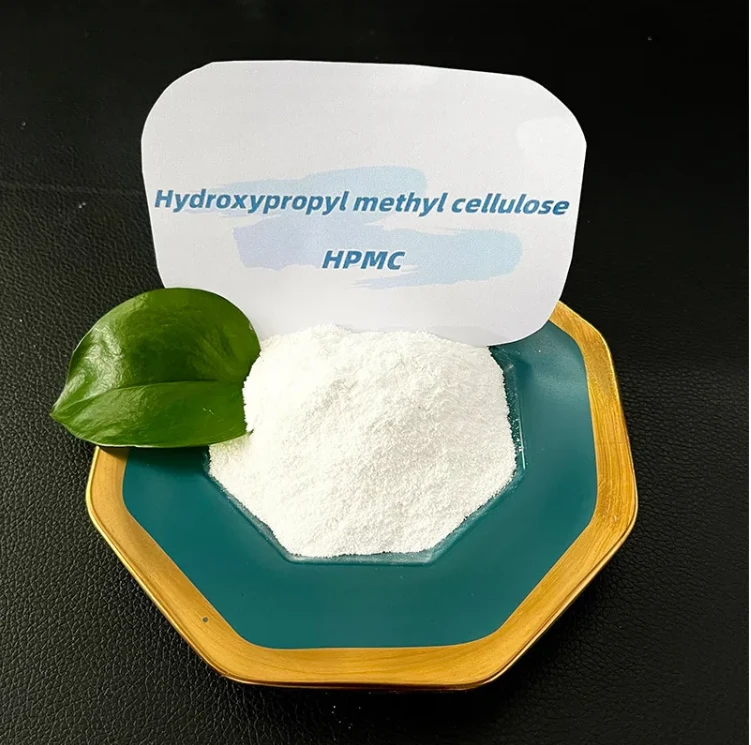
Гидроксипропилметилцеллюлозные пустые капсулы становятся все более популярными благодаря их уникальным свойствам и преимуществам. В отличие от традиционных желатиновых капсул, HPMC капсулы изготовлены из растительных материалов, что делает их подходящими для вегетарианцев и веганов, а также для людей с определенными диетическими ограничениями. Один из главных плюсов HPMC капсул - это их исключительная стабильность при температурных колебаниях и влажности, что позволяет продуктам внутри сохранять свои свойства дольше. Такая надежность становится критическим фактором для фармацевтических компаний и производителей пищевых добавок, стремящихся обеспечить качество и эффективность своих продуктов на протяжении всего их срока годности. Обладая значительным опытом в области развития нутрицефтики, многие эксперты отмечают, что эти капсулы проще в производстве и имеют меньшее количество брака по сравнению с желатиновыми аналогами. Это особенно важно в условиях производства на больших масштабах, где потери могут существенно влиять на себестоимость продукции. Ученые и исследователи неоднократно подчеркивали, что HPMC капсулы не взаимодействуют с содержимым, минимизируя риск побочных реакций и гарантируя, что пользователь получает именно те активные компоненты, которые заявлены производителем. Исследования поддерживают теорию о том, что эти капсулы устойчивы к кислой среде желудка, что способствует лучшему усвоению активных веществ. Бренды, которые стремятся укрепить свою репутацию на рынке, выбирают HPMC капсулы как символ качества и доверия . Этот выбор обусловлен не только техническими характеристиками, но и растущим числом осознанных потребителей, которые оценивают состав и прозрачность производства тех или иных продуктов. hpmc пустые капсулы Как следствие, использование гидроксипропилметилцеллюлозных капсул опирается на авторитетные научные данные и практические испытания, подтверждающие их превосходные характеристики. Это создает уверенность в их зрелости и актуальности для современных тенденций в питательных добавках и лекарственных средствах. Безопасность и надежность HPMC капсул сделали их предпочтительным выбором в открывающихся новых рынках, где устойчивые и качественные решения ценятся особенно высоко. Многочисленные предприятия из Азии и Европы инвестируют в производство и дистрибуцию этих капсул, утверждая их как стандарт для будущих поколений продуктов. В условиях глобальных изменений спроса и повышенного интереса к этичному потреблению, гидроксипропилметилцеллюлозные капсулы продолжают занимать лидирующую позицию среди аналогов. Ожидается, что их популярность будет только расти благодаря продолжающимся исследованиям и инновациям в производственной технологии. Таким образом, использование HPMC капсул подтверждает выгоду в долгосрочной перспективе и соответствует высоким стандартам качества, что делает их надежным выбором для бизнеса, стремящегося оставаться на переднем крае индустрии здоровья и благополучия.
-
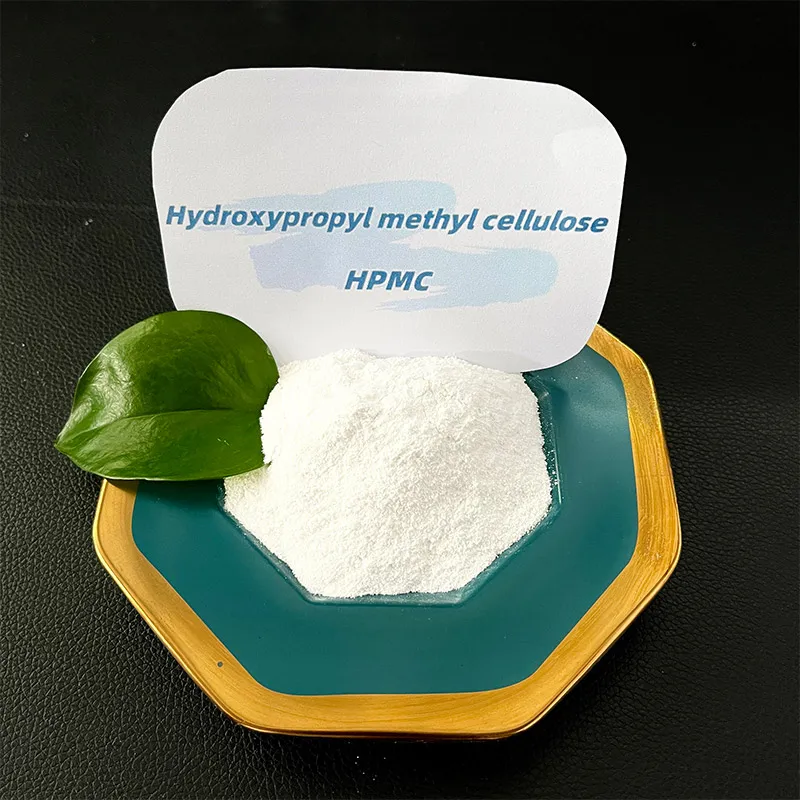
Elevating your eye care routine with HPMC eye gel can transform both comfort and ocular health. This innovative product is designed to offer relief and moisture, particularly for individuals who struggle with dry eyes. HPMC, or Hydroxypropyl Methylcellulose, is renowned for its exceptional effectiveness as a lubricant, forming a protective, soothing film over the surface of the eye. Understanding the Mechanics of HPMC Eye Gel Hydroxypropyl Methylcellulose is a semi-synthetic, inert, viscoelastic polymer used in the preparation of eye gels. Its unique properties make it an ideal candidate for ocular applications. When applied, the gel mimics the action of natural tears, providing moisture that helps alleviate irritation caused by environmental conditions, long screen hours, or ocular surgery. The essence of HPMC in eye gels lies in its biocompatibility and ability to retain moisture, providing long-lasting comfort without compromising vision clarity. Science Behind the Sustainability of Moisture The HPMC eye gel's mechanism of action includes the formation of a protective barrier on the ocular surface. This barrier aids in reducing water evaporation and maintains the natural tear film stability. Studies have demonstrated that HPMC can enhance the precorneal residence time, thus prolonging the gel's soothing effect. By optimizing hydration, it significantly improves symptoms like grittiness, dryness, and discomfort, which are commonly reported by those who suffer from chronic dry eye syndrome. Clinical Expertise and Benefits of HPMC Eye Gel Research and clinical trials affirm the gel's efficacy in improving eye health. Its unique formulation is particularly beneficial for patients with moderate to severe dry eyes and those recovering from LASIK or other refractive surgeries. Ophthalmologists often recommend HPMC eye gel because of its superior performance in lubricating the eye surface. It is fragrance-free, reducing the likelihood of allergic reactions, and its non-preservative versions are ideal for sensitive eyes. Real User Experiences and Satisfaction Rates User testimonials highlight the transformative impact of HPMC eye gel. Many users report immediate relief from dryness and enhanced comfort during prolonged computer use and exposure to air-conditioned environments. The gel's easy application and non-blurring formula make it a preferable choice for daily use. High satisfaction rates are attributed to its rapid onset of action and ability to substantially reduce reliance on frequent eye drop applications. hpmc eye gel Endorsement by Experts in Ophthalmologic Care Ophthalmologists and optometrists advocate for the use of HPMC eye gel due to its established track record in delivering consistent and reliable results. Its acceptance within medical practices is a testament to its clinical proof in managing symptoms associated with dry eyes. Health professionals emphasize its role as a potent tool in ocular wellness, contributing significantly to maintaining ocular health for patients across various spectrums. Sustainable Production and Trust in Quality HPMC eye gel combines cutting-edge technology with sustainable production practices. The integrity of its ingredients and the rigor of its manufacturing processes underscore the brand's commitment to quality assurance. Certified by relevant health authorities, the product guarantees a high standard of care, aligning with environmental and ethical concerns increasingly prioritized by consumers. Future of Eye Care Innovation at Its Core The dynamics of ocular health care are constantly evolving, with HPMC eye gel positioned at the forefront of this change. Emerging research in biomaterials continues to enhance its efficacy and applications . By investing in such innovative products, consumers are embracing a future where eye health transcends traditional boundaries, promoting holistic wellness and improved quality of life. In conclusion, HPMC eye gel stands as a pioneering product, intertwining scientific advances with practical benefits. Its ability to enhance eye comfort, accommodate contemporary digital lifestyles, and earn professional endorsements underscores its indispensable role in eye care today. Clients seeking a reliable solution for dry eye symptoms will find HPMC eye gel not only meets, but often exceeds, safety and efficacy expectations, ensuring eyes are well-protected and hydrated.
advantages
-

200000 Viscosities
Excellent product
We can produce pure products up to 200,000 viscosities
-

40000 tons
High yield
We don’t stop production all year round, and the annual output can reach 40,000 tons
-

24 hours
Quality service
We provide 24-hours online reception service, welcome to consult at any time
———— Inquiry Form
Schedule A services
-
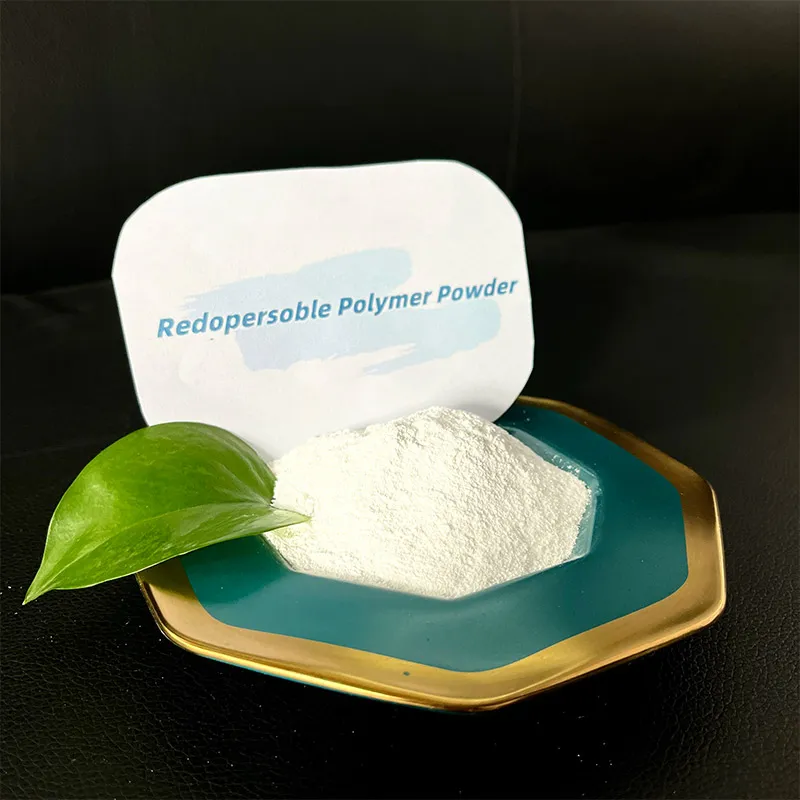 applications_of_rubber_powder_wikipedia
Oct . 25, 2025
Gentamicin with Hydroxypropyl Methylcellulose (HPMC) Eye/Ear Drops A Comprehensive Insight Gentamici -
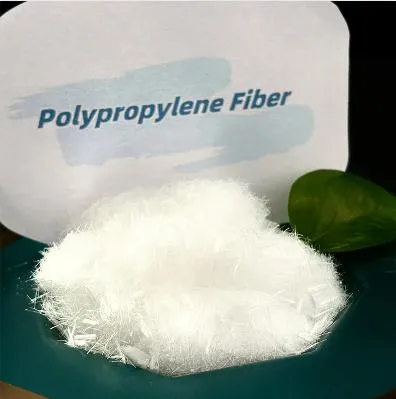 vae_poda_inayoweza_kusambazwa_tena
Oct . 25, 2025
Redispersible emulsion powder (RDP), including redispersible latex powder , polymer powder , VAE red -
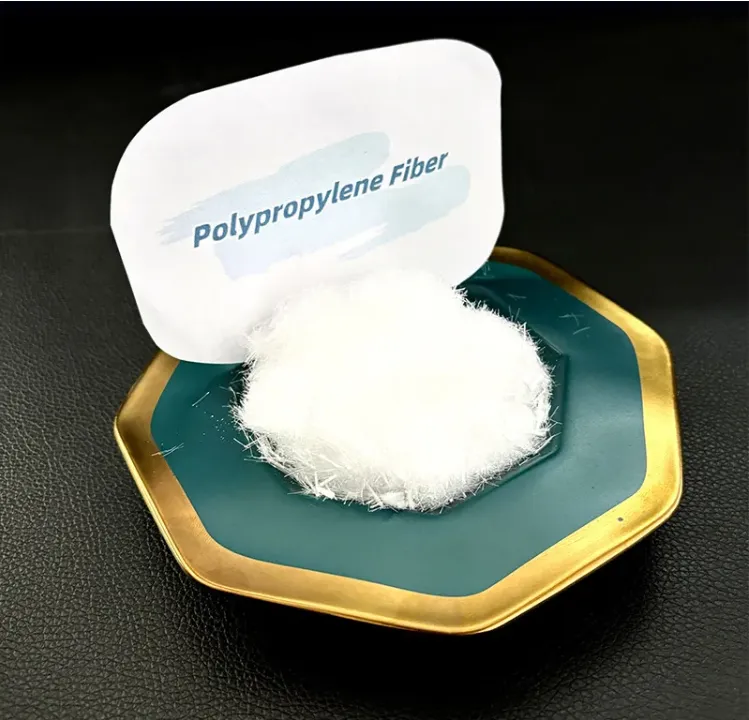 fibre_de_polypropylene
Oct . 25, 2025
The Importance of Wood Cellulose in Modern Applications Wood cellulose, an organic compound derived


